Blog

Blog

The unrelenting evolution of Vawtrak

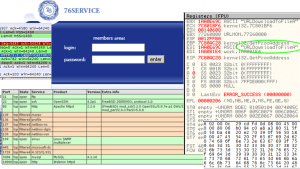
In a recent blog post, we wrote about Vawtrak expanding targets and gaining momentum. Fast forward a few months and the threat is anything but diminishing. Sophos just released a technical report on Vawtrak which discusses the significance of the threat and its Crimeware-as-a-Service model. In December 2014, Vawtrak version 0x38 was released including significant code and configuration changes...
Blog

Fraudsters Take Advanced Fee Scams to the Next Level

We’ve all seen them — the outrageous emails offering millions from a mysterious foreign prince in exchange for a “small” fee. These classic advanced fee scams have been around since the early days of the internet, often dressed up with official-sounding language and long email threads to lure victims.But Fortra Brand Protection recently uncovered a new twist: a sophisticated scam built around a...
Blog

Vulnerabilities found in Dendroid mobile Trojan

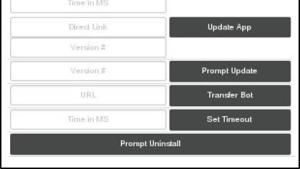
On Friday, the full source code of the Dendroid Remote Access Trojan (RAT) was leaked. Dendroid is a popular crimeware package that targets Android devices and is sold on underground forums for $300. Usually, the source code for botnet control panels is encrypted, so it was surprising to find the full source code for the Dendroid control panel included in the leaked files. Analyzing the leaked...
Blog

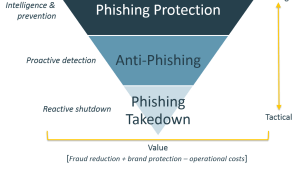
Phishing Takedown Anti-Phishing Phishing Protection

Phishing is a prevalent problem for businesses, particularly financial institutions. Over the years, many services have emerged to help organizations address phishing attacks that are targeting their customers' accounts. When seeking solutions, businesses find they have several options to choose from. These fall into three categories:Phishing takedown servicesAnti-phishing servicesPhishing...
Blog

New Man-in-the-Middle attacks leveraging rogue DNS

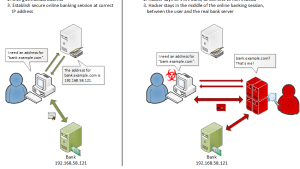
A new wave of “Man-in-the-Middle” (MitM) attacks is targeting online banking and social media users, affecting customers of over 70 financial institutions.In these attacks, hackers use spam to deliver malware that modifies DNS settings and installs a rogue Certificate Authority (CA). The DNS changes redirect users to the attacker’s DNS servers, which in turn route traffic through malicious proxy...
Blog

“Your ACH Transaction” Spam Leads to Malware

PhishLabs has discovered a new malware campaign which appears to be an alert from NACHA regarding a failed ACH transaction. If a vulnerable user clicks the enclosed link, they will be infected with malware. Users receive an email message which appears as follows: From: [email protected] [mailto:[email protected]] Sent: Thursday, February 24, 2011 9:47 AM To: Denise Muns Subject: Your ACH transaction The...
Blog

Advancements in Phishing Redirector Scripts

Almost since the beginning of phishing, attackers have created simple webpages that redirect users to another URL that contains the actual phishing form. They do this for several reasons. In case their phishing site is shutdown, they can simply change the destination of the redirect to point to another phishing site. This means that everyone who receives an email with the redirector link and...